
How Can I Help My Child Live in Two Homes – Introduction
When parents separate or divorce. The main concerns is how the children will adjust. No matter how well the adults handle things, a shift from one household to two is a huge change for kids. They’re splitting time, belongings, and emotions between parents.

Navigating a blended family is about helping your children as they get used to new living arrangements. When parents get divorced and things change, children may feel unsure or upset. It is important to make sure your child feels heard. You need to talk to them about their worries and set up clear routines. This can help your child cope with having parents in two homes. With support and planning, you can take away some of their worries
Children are incredibly resilient, especially when they have steady support. Honest communication, and consistency are crucial. Whether your co-parenting relationship is smooth or needs work, there are things you can do to help your child feel safe, secure, and loved in both homes.
How Can I Help My Child Live in Two Homes – The Impact of Two Homes on Children
Living in two homes has an effect on a child’s mental health. Children face can change in new living arrangements. This may depend on their age and how they grow. Parents have to be aware of each child’s needs.
Younger children may be confused or worried. They may not know how to understand the changes. At the same time, older children can feel worry about being loyal to one parent over the other. These can make their mental health worse. It is important for parents to see how this affects each child. When parents know what is going on, they can make better routines that help both homes feel safe for the child.
How Can I Help My Child Live in Two Homes – Common Feelings To Children After Separation
When children go through separation. They feel a mix of sadness, worry, or anger while they try to get used to this new change.
Children have to deal with different rules and styles of parenting. This can make them feel lost or like they don’t fit in. When parents see these signs, they can find what causes the problems. This helps children with issues like acting out or shutting down.
How Age Influences Adjustment?
Age impacts how children adjust to living in two homes. From early years to adolescence. Each stage presents its own challenges and coping mechanisms. Children of different ages have differing needs. It is important for you to understand how to parent your child as they age.
Parents of younger children should establish tighter routines. While caregivers of older youth must provide flexibility to accommodate growing responsibilities. Tailored approaches across ages ensure help emotional well-being and smoother transition to divided households.
How Can I Help My Child Live in Two Homes – Setting Up Consistent Routines in Homes
Having the same routines in both homes can help children understand living by different rules. When there is consistency kids feel more at ease.
When parenting, it’s good to have routines like the same bedtime or morning habits. This makes kids feel more steady and safe. If you and your ex talk about your child’s needs, there will be less confusion. Working as a team helps your child grow well in both homes.
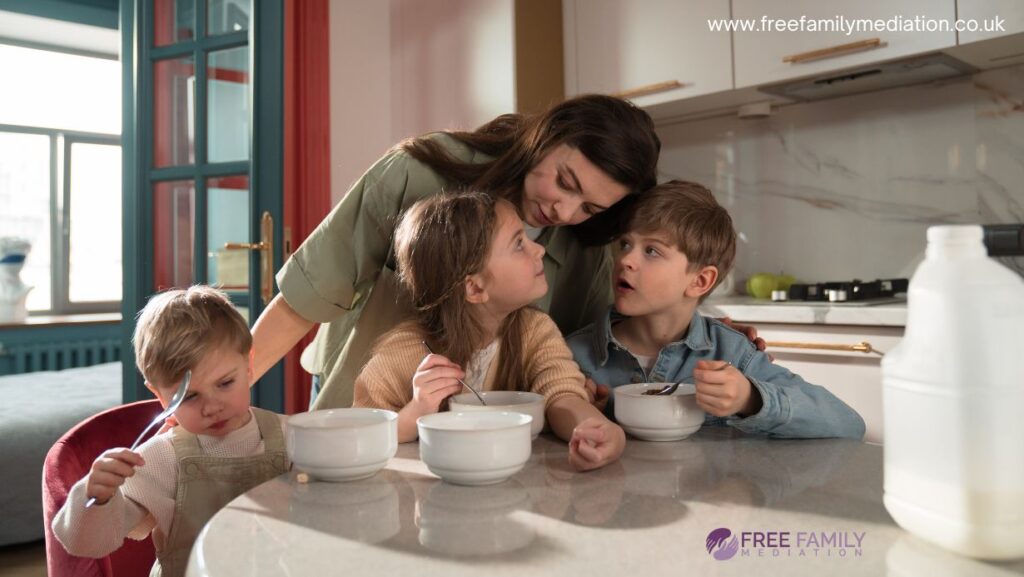
How Can I Help My Child Live in Two Homes – Stability for Children
It is important for children to feel that things will be the same. Even when living in two homes. You can help your child by trying a few key things:
- Regular Bedtime: Try to have the same time for sleep in both homes. Ensure rest is not disturbed.
- Shared Expectations: Make sure kids do the same type of jobs at home and know what is expected from them in both places.
- Familiar Pack Lists: Help your child pack the same kinds of items each time so it is easy for them to move between homes.
- Clear Communication Calendars: Make a plan so everyone knows what will happen each day and can get ready for it.
These things can lower stress and clear up confusion. All children do better when there is order in their every day. Familiar routines, like keeping a regular bedtime can make them feel safe and cared for.
How Can I Help My Child Live in Two Homes – Communicating with Your Child
Your ability to start open talks is important when you want to understand your child’s behaviour. When you talk openly, the move to a blended family can be easier for both of you.
Making sure your child knows that they have a special place in your life and in the family. Build trust so your child can share things they might not say out loud. Deal with problems by listening with care and meeting their emotional needs.
Talking About Feelings
Open talks with older children are important for their mental health. Especially when they have to get used to new living arrangements. You can help them by doing these things:
- Create a Safe Space: Let your child know that they can talk about anything with you. Make sure they know there won’t be any judgement from you.
- Show Empathy: Let them know that you see what they feel. Do not push away or ignore what worries them.
- Regular Check-Ins: Talk with them often. This means you always make time to check in and talk about feelings, not just once.
This shows your child that you care about what they say. This helps them feel noticed and seen during hard times.
How Can I Help My Child Live in Two Homes – Listening Without Judgement
When you listen to your child without judging, it can make a big difference in their mental health. It can strengthen their trust in your relationship. By giving your full attention, you help build trust and help them feel safe.
Do not interrupt your child. Let them say everything they want to say. When your child is honest with, let them know you are proud.
Try to answer your child with care and think before you speak. You do not have to correct them right away. Focus on showing that you get how they feel. This will help you and your child talk more deeply and grow closer.
How Can I Help My Child Live in Two Homes – Parenting Between Homes
Moving from one home to another can make children feel extra stress. These changes can bring worry, so it is important to help take care of your child’s mental health during this time.
It helps to have a routine on the days when they move between homes. Talk to your child about their feelings and behaviour. Doing this can help make the change easier. When you use kind and caring ways to comfort your child, it can lower the stress and anxiety they might feel with new living arrangements. With time and effort, you can make this adjustment much smoother for them.
Preparing for Changeover Days
Getting ready helps lower any worry that comes with changeover days. It also helps young children get used to going from mum’s house to dad’s house, or the other way around. Here are some ways you can help:
- Pack Essentials Thoughtfully: Always bring things that help your child feel calm, like special toys or toiletries.
- Emphasise Routine: Keep a steady routine. This helps toddlers feel safe because they know what will come next.
- Foster Excitement: Talk with your child about fun things they do at mum’s or dad’s house. Share happy stories.
- Support Independence: Help your child take care of things on their own, but still watch over what they do.
If you handle the changeover with care and warmth, the move from one home to the other will feel easy and stress-free for kids of all ages. Mediation is a great way to work out these details. Speak to the team on 03300 100 179.
Helping children get used to living in two homes can be hard at times. But, using the right steps can help them get stronger and learn how to deal with changes. If you take time to understand how your child feels, set up the same daily habits in both homes, and keep talking openly, you will help make a caring space for your child. Your role and your support are very important in helping your child feel safe and loved.
Try to build a better bond with them by spending time together and talking about anything that is on their mind. Working well with your co-parent and putting your child’s needs first can help things go more smoothly. Family mediation and child inclusive mediation can help strengthen communication and give you tools for healthy communication. If you need more help that fits your family, you can speak to our team here.

How Can I Help My Child Live in Two Homes – Frequently Asked Questions
How Can I Help My Child Live in Two Homes – How can I help my child feel at home in both places?
To help your child feel comfortable in both homes, set up the same routines in each place. You can let them help choose things for their room, so it feels like their own. It is good to talk with them often about how they feel. Make sure they can see friends, family, and join in on their favourite activities. This will help them feel like they belong in each home.
How Can I Help My Child Live in Two Homes – What should I do if my child resists going to the other parent’s house?
Talk openly with your child about how they feel. Let them know that their feelings are real and okay. Tell them both of their homes are safe places to be. Slowly start visits and ask them to help plan things to do at the other parent’s house. This can help make the change easier for them.
How Can I Help My Child Live in Two Homes – How do I maintain discipline and boundaries across two homes?
To keep discipline and set boundaries when a child is in two homes, you have to agree on rules with your co-parent. Talk often about what you both expect, what happens when rules are broken, and what daily routines look like. Make sure that both places have the same values.
What signs should I look for if my child is struggling emotionally?
Watch for changes in how someone acts, like if they get upset more often, pull away from friends, or feel sad a lot. You should also notice if they have stomachaches often or if their eating habits change. These signs could mean they are having a tough time inside and may need some help and more care from the people around them.
How can I work with my co-parent to support our child’s adjustment?
Work with your co-parent to keep clear communication open and talk about parenting ideas that put your child’s feelings first. Set up steady routines and rules in both homes. This helps make your child’s life feel more stable. Keep checking with each other often. This way, you both can talk about any worries or notice any changes in your child’s behaviour.
Speak to Free Family Mediation on 03300 100 179 or arrange a callback with our team here.